Claude Corps Fellowship: What it is & How to Stand Out

Co-founder at King’s Cross Labs · ex-LinkedIn PM & Forbes 30 Under 30
Send this guide to yourself
Get the link in your inbox so you can read it whenever you're ready.
Your email will also be saved for future updates.
I've gotten into four of the most selective fellowships out there: Kleiner Perkins, South Park Commons, the Freeman Scholarship, and Forbes 30 Under 30. Each one opened doors I couldn't have walked through on my own.
I wrote about the KP process in detail in The KP Fellowship: A How-To Guide and KP Fellowship FAQ.
I wish I was eligible for Claude Corps myself. But if I were applying, here's exactly what I'd do. And yes, I'd use AI to do it.
Why this matters
Prestige signals rotate. Goldman Sachs. McKinsey. Google product roles. Each era had a default "this person is going places" credential.
That ladder is shifting again. Right now the signal is AI fluency, especially people who can implement it, not just talk about it.


Fellowships like Claude Corps are how that next generation gets spotted early. The lucky fellows in the first cohort will have the widest doors open to them.
Key insight: First cohorts of programs like this are historically the easiest to get into. The deadline is July 17. Most people will wait until the last week. Don't be most people.
What Claude Corps actually is
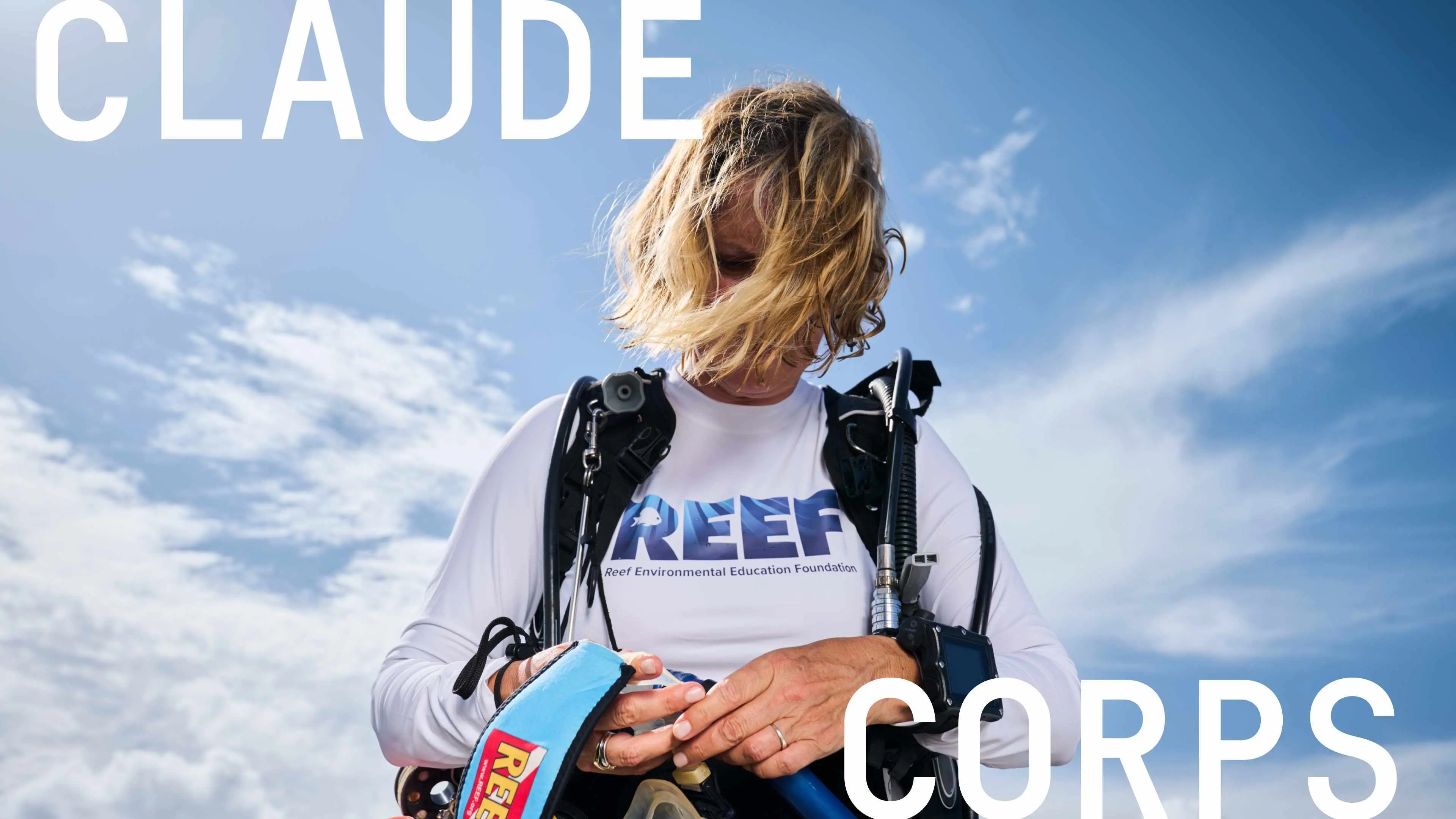
On June 11, Anthropic announced Claude Corps: a national fellowship that places people early in their careers inside U.S. nonprofits, full-time and in-person, for 12 months. Your job as a fellow is to help that nonprofit actually use AI: building workflows, training staff, and putting Claude to work on the org's real problems.
The scale is real. Anthropic committed an initial $150 million. Over the life of the program they plan to train 1,000 fellows, with at least 400 nonprofits hosting fellows within the first 12 months. CodePath runs the programming and mentorship (and serves as your employer of record). Social Finance handles measurement and scaling.
The number that matters: The first cohort is only around 100 spots. More cohorts start January 2027 and August 2027, so missing this window doesn't lock you out forever. But first cohorts are almost always the easiest to get into.
What you get as a fellow
1. $85,000 salary plus benefits
A real full-time salary through CodePath. Relocation support if you're placed more than 100 miles from home.
2. 5 hours of paid AI training every week
Intensive onboarding bootcamp with Anthropic, then ongoing training for the entire 12 months. You're being paid to become an AI expert. Most people miss this part.
3. A dedicated CodePath mentor
One-on-one mentorship for the whole year, plus office hours with Anthropic engineers for technical questions.
4. A serious Claude token budget
Enough API access and tooling to build with all year. That's hands-on practice most people would pay for.
5. A prestigious post-program resume line
"Spent 12 months deploying AI inside a real organization, trained by Anthropic" is exactly what employers are hiring for right now. The fellowship ends. The leverage doesn't.
6. A portfolio that keeps running
The goal is a project still delivering value six months after you leave, plus references from people who saw you ship.
Who qualifies (it's more open than you think)
This program is built for the exact people everyone claims AI is leaving behind.
- Over 18 — That's the age floor.
- Under 2 years of full-time work experience — Heavy experience actually disqualifies you. This is for beginners.
- Any educational background — No degree required. College, bootcamp, self-taught, none of it matters.
- Authorized to work in the U.S. — And willing to relocate if needed (they help with that).
The only soft requirement: you should be comfortable working with Claude. If you're not yet, the tips below fix that in about two weeks.
Key dates
| Date | What happens |
|---|---|
| Jun 11, 2026 | Applications open for fellows and host nonprofits |
| Jul 17, 2026 | First cohort application deadline (~5-week window) |
| Oct 19, 2026 | First cohort of ~100 fellows starts |
| Jan & Aug 2027 | Two more cohorts |
Apply here: anthropic.com/claude-corps
How the application works
Before you apply, complete Anthropic's required courses: AI Fluency and Claude 101.
Then the process looks like this:
- Short written application — A few essay questions, including situational and behavioral prompts ("Tell us about a time something went wrong").
- Practical take-home assessment — You'll need to show you can actually work with Claude, not just talk about it.
- 25-minute conversation — A screening interview.
- Super Day — Two final 1:1 conversations.
Tips to stand out
-
Understand the program's incentives
- Every fellowship exists because the organization wants something back. Kleiner Perkins is a venture firm, so they fund future founders to get them into their portfolio.
- Anthropic is a company too. They invest in this program to bring in more customers, but their mission is making sure powerful AI actually helps humanity.
- Before you write a single line, ask yourself: what's their incentive to invest in me?
-
Lean into what's uniquely you
- Your narrative is the single most important thing to nail. This fellowship does not need you to be in tech. If you're already deep in tech, you might actually stand out less.
- Working in healthcare? Majored in bio? Did volunteer work at a nonprofit? Lean into that story. Craft a narrative that connects your past experience to why you're a fit for this fellowship.
-
Show evidence of building something
- Every part of your application (essay, LinkedIn, resume) should emphasize projects where you actually built something. Show it, don't just say it.
- If you haven't yet, build something now, especially something with a nonprofit angle. Find a local org and build a tool for them this week. Real impact gives you stories for the interview.
- With Claude in your hands, you can build faster than most applicants realize.
-
Use STAR for your essays
- The application asks situational and behavioral questions. STAR (Situation, Task, Action, Result) is the best framework for those.
- One concrete story beats three vague claims about being "passionate about AI."
-
Apply early
- The deadline is July 17, but rolling applications almost always favor early submitters. Most people will apply at the deadline, which means less dedicated review time for each application.
- Right now, hardly anyone is applying. That's your window.
-
Get a referral if you can
- Always worth trying, regardless of program. A warm intro changes how your application gets read.
-
Build a personal website (with Claude Code)
- It's evidence you build things. It's also a strong way to showcase your narrative, design taste, Claude skills, and problem-solving ability.
- At this point a personal site might be table stakes. But a good one still helps you stand out.
-
Pick your nonprofit and work backwards
- Choose the mission and org you genuinely want to work with. Ideally it's already in a domain where you have experience, or your background clearly connects.
- Weave that org into your narrative, your program preferences, and your "why" for applying. Fellowships like these are matchmaking. Hosts want fellows who already believe in the mission.
-
Frame "fast learner" as your edge
- They're looking for people roughly two years out of college. That means they want people who learn fast, hustle, and aren't locked into old workflows.
- Show evidence of learning speed in things you've built or done for your community. Beginner mindset is an advantage here, not a weakness.
Additional Reading
Here are some related guides to check out:
Frequently asked questions
- What is the Claude Corps fellowship?
- Claude Corps is Anthropic's national fellowship that places early-career people inside U.S. nonprofits full-time for 12 months to help them actually use AI: building workflows, training staff, and putting Claude to work on real problems. It pays $85K plus benefits, five hours of paid AI training a week, a mentor, and a serious Claude token budget. The first cohort is only about 100 spots.
- Who qualifies for Claude Corps?
- It's more open than people expect: you need to be over 18, have under two years of full-time work experience (heavy experience actually disqualifies you), and be authorized to work in the U.S. and willing to relocate. No degree or tech background required, since college, bootcamp, or self-taught all count. The only soft requirement is being comfortable working with Claude.
- How do I stand out in my Claude Corps application?
- Lead with a narrative that's uniquely you. This fellowship doesn't need you to be in tech, so a healthcare, bio, or nonprofit background is an asset, not a gap. Show evidence you've actually built something (build a small tool for a local nonprofit this week if you haven't), use the STAR framework for the essays, and apply early since rolling review favors early submitters. Pick the nonprofit you genuinely want and weave it into your "why."
- Does having a tech background help for Claude Corps?
- Not necessarily. If you're already deep in tech, you might actually stand out less, because the program is built for the people everyone claims AI is leaving behind. They want fast learners roughly two years out of college who aren't locked into old workflows, so frame "fast learner" and a beginner mindset as your edge. Connect your non-tech background to why you're a fit for a specific nonprofit's mission.
Want to build your first AI agent?
Build Your First Agent 101 is the next step! You'll get step by step guides, video tutorials and starter prompts to create your first agent in half a day, customized to your own workflow.
Learn more